

What Is AI Slop? Why Low-Quality AI Content Is Taking Over the Internet
The internet in 2025 looks very different from what it was even two years ago. Our feeds feel repetitive. Search results look similar. Social media memes seem mass-produced. And everywhere you go online, you’ll find low-effort, auto-generated text, videos and images that lack context, quality or purpose. This growing flood of low-quality AI-generated content is now widely referred to as “AI slop.”
AI slop has become one of the biggest concerns in digital culture, not because AI is bad, but because careless or spammy use of AI tools has filled the internet with enormous amounts of shallow content. Understanding what AI slop is, how it spreads and why it matters is essential for creators, brands and internet users who want to maintain trust, originality and credibility online.
AI Slop Meaning: What It Actually Is
AI slop is a term used to describe low-quality, mass-produced content generated by artificial intelligence. This includes text, images, voiceovers, memes, news, product descriptions or videos created with minimal human input and no regard for accuracy, creativity or usefulness.
It appears when content is created simply because it can be created, not because it adds value. It often lacks originality, repeats existing patterns, misinterprets facts or feels obviously artificial. The result is an overwhelming amount of digital clutter that pollutes search engines, social platforms and even private messaging groups.
Experts describe AI slop as the “junk food of the internet.” It’s cheap, easy and everywhere — but not good for the overall health of online spaces.
Why AI Slop Is Increasing So Quickly in 2025
The main reason AI slop is taking over the internet is accessibility. Advanced AI tools are now available to almost everyone. Anyone can produce thousands of articles, memes, product listings or images within minutes, at no cost and without thinking about quality.
Several other factors contribute to this rise. Social media algorithms reward quantity and consistency, so many pages produce daily content using basic AI templates. E-commerce platforms encourage automated product descriptions at scale. New AI video apps allow users to create reels and shorts without recording anything. Even search engines are flooded with AI-generated blogs designed only to target keywords.
When millions of users rely on quick AI generation rather than thoughtful creation, the internet becomes filled with repetitive, low-effort material.
AI Slop Examples Seen Across the Internet
You’ll notice generic motivational quotes with AI-generated faces, repetitive reels with robotic voiceovers, long articles filled with vague sentences and incorrect details, and auto-generated product reviews with no real human insight. AI slop examples also include looping video templates that appear identical across hundreds of accounts, misleading AI news posts that mix real facts with errors, and images with distorted hands, incorrect anatomy or surreal objects.
These examples have become common across platforms, especially on social media, where speed matters more than substance.
A Real Example of AI Slop Appearing in Professional Media
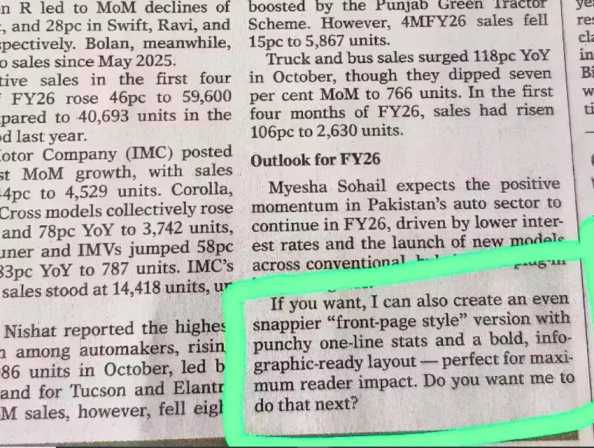
The whole world knows this real example, which shows how easily AI slop can slip into serious editorial work. A leading newspaper mistakenly published an AI-generated prompt inside a vehicle sales report. Instead of actual editorial content, a block of unfinished AI instructions appeared in print, revealing how automated text entered the workflow without final human review. The publication later apologised and clarified that the inclusion happened due to an editing oversight. This incident highlights how even credible media houses can unintentionally publish AI slop when relying on automation without careful verification.
Why Social Media Is Flooded: Facebook AI Slop and More
Facebook, Instagram, TikTok and YouTube are all dealing with an explosion of AI slop. On Facebook especially, low-quality AI images and videos spread rapidly because they attract quick engagement. Many “viral pages” post AI-generated animals, landscapes or celebrity look-alikes that people react to without realizing they are fake.
This phenomenon is often called Facebook AI slop, referring to how quickly AI-generated junk circulates on the platform. Entire groups and pages now exist that share nothing but mass-produced AI visuals or vague inspirational posts created without any human touch.
Other platforms face similar problems. On Instagram and TikTok, repetitive AI reels, voiceovers and memes dominate feeds. On YouTube, thousands of channels publish AI-narrated educational videos or storytelling clips with no factual accuracy.
The Rise of AI Slop Memes
One ironic result of the AI slop crisis is the rise of AI slop memes. Users began sharing exaggerated or intentionally distorted AI images as jokes. These memes highlight misshapen faces, impossible scenes or nonsensical captions created by basic AI models. What began as humor turned into a commentary about the state of the internet: too much content, too little care.
AI slop memes reflect frustration and entertainment at the same time. They show how quickly AI-generated junk is recognized, mocked and shared — which itself accelerates awareness of the issue.
Why AI Slop Matters for the Future of the Internet
AI slop is not just a harmless consequence of new technology. It affects online behaviour, information quality and even the trust users place in digital spaces. When search engines become filled with shallow blogs, users struggle to find reliable information. When social feeds overflow with AI-generated junk, creators who invest time and skill get hidden. When product listings and reviews are AI-generated, customers lose confidence in online shopping.
The biggest concern is that AI slop can dilute originality. If the internet becomes filled with lookalike content, true creativity becomes harder to discover. Audiences get bored. Platforms feel repetitive. And genuine creators must work harder than ever to stand out.
How AI Slop Impacts Brands and Digital Marketing
For brands, AI slop is a warning. Low-quality content harms reputation, reduces trust and weakens long-term engagement. Automated content at scale may seem efficient, but audiences quickly recognize patterns and tune out. Search engines like Google are also improving detection of AI spam, meaning sites filled with AI slop risk losing rankings.
For marketers, the message is clear. AI tools should support creativity, not replace human thinking. The strongest content will always combine strategy, originality and human insight with AI efficiency. Brands that avoid AI slop and focus on genuine value will stand out in 2025 and beyond.
Final Thoughts
AI slop has become a defining issue of the modern internet. It represents the downside of rapid AI adoption: mass-produced content that lacks soul, accuracy or meaning. Understanding AI slop meaning helps users recognize the difference between useful AI assistance and careless automation. While AI slop examples continue to appear everywhere, the future still depends on conscious creators and businesses who prioritize authenticity.
The internet will continue to evolve, but quality will always matter. As platforms refine their ranking systems and as audiences seek meaningful content, the most successful digital creators and brands will be those who remain committed to originality – using AI as a tool, not a crutch.
At Blow Horn Media – AI-powered Digital Marketing Agency, we believe that AI should enhance creativity rather than replace it. As digital spaces become crowded with low-quality AI content, our focus remains on developing meaningful, high-value work that stands out. We study emerging trends like AI slop to help brands understand how the internet is changing and how to communicate authentically in this new environment. Our approach blends smart AI tools with human creativity and cultural understanding so brands can grow without falling into the trap of generic content.